Green Energy: A Key Player in the Transition to Sustainable Transportation
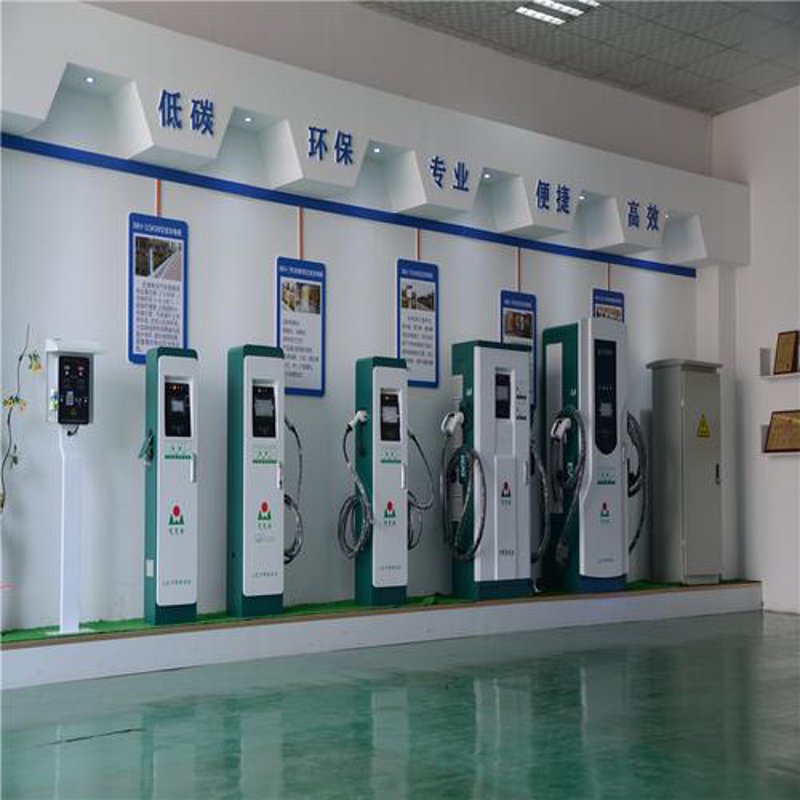
How does green energy fit into our discussion of sustainable transportation? Let’s explore this topic together.
In recent years, with the rise of electric vehicles (EVs), the conversation around green energy has gained significant traction. As a company dedicated to promoting eco-friendly solutions, Green Energy Solutions aims to bridge the gap between traditional fuels and renewable sources like solar, wind, and hydroelectric power.
But why is green energy so important in our pursuit of sustainable transportation? The answer lies not only in environmental benefits but also in economic advantages. By harnessing the power of renewables, we can reduce dependence on fossil fuels, thereby lowering greenhouse gas emissions and mitigating climate change impacts.
Environmental Impact
Green energy reduces pollution and carbon footprints. For instance, solar panels installed at charging stations produce clean electricity without emitting harmful pollutants into the air or water systems.
Economic Benefits
In addition to environmental gains, green energy projects can stimulate local economies through job creation in manufacturing, installation, and maintenance of renewable infrastructure.
According to a report by the International Renewable Energy Agency (IRENA), transitioning to renewables could create up to 42 million jobs globally by 2050. This underscores the economic potential associated with green energy adoption.
Challenges and Solutions
The path forward isn't without challenges, however. Issues like intermittency of solar and wind power require advanced storage technologies or grid enhancements to ensure consistent supply. Innovations in battery technology and smart grids offer promising solutions.
In conclusion, green energy is crucial for the future of sustainable transportation. It’s not just about reducing our carbon footprint; it’s also about creating a resilient and prosperous society. As we move towards a greener future, let’s embrace these innovations with open arms and proactive engagement.